


















When you’ve got a Van Gogh and a Rembrandt on the wall, you don’t just sell them to Nottingham Forest for any old price.
That’s at least, the opinion of Feyenoord general manager Robert Eenhoorn. He believes their decision to resist Nottingham Forest’s interest in Givairo Read this summer was a smart one.
Read is currently one of the rising stars of the Eredivisie after establishing himself as a key player for Feyenoord in recent years.
The full-back has, predictably, earned himself plenty of admirers in Europe. Several of those suitors tried to sign him in the summer transfer window.
Summer transfer bids
Roma were one of those sides, making various bids for the 20-year-old across the summer to test Feyenoord’s resolve.
Nottingham Forest were also keen. They also made several bids for the full-back, especially towards the end of the summer transfer window. None of those, though, were enough to convince Feyenoord to sell.
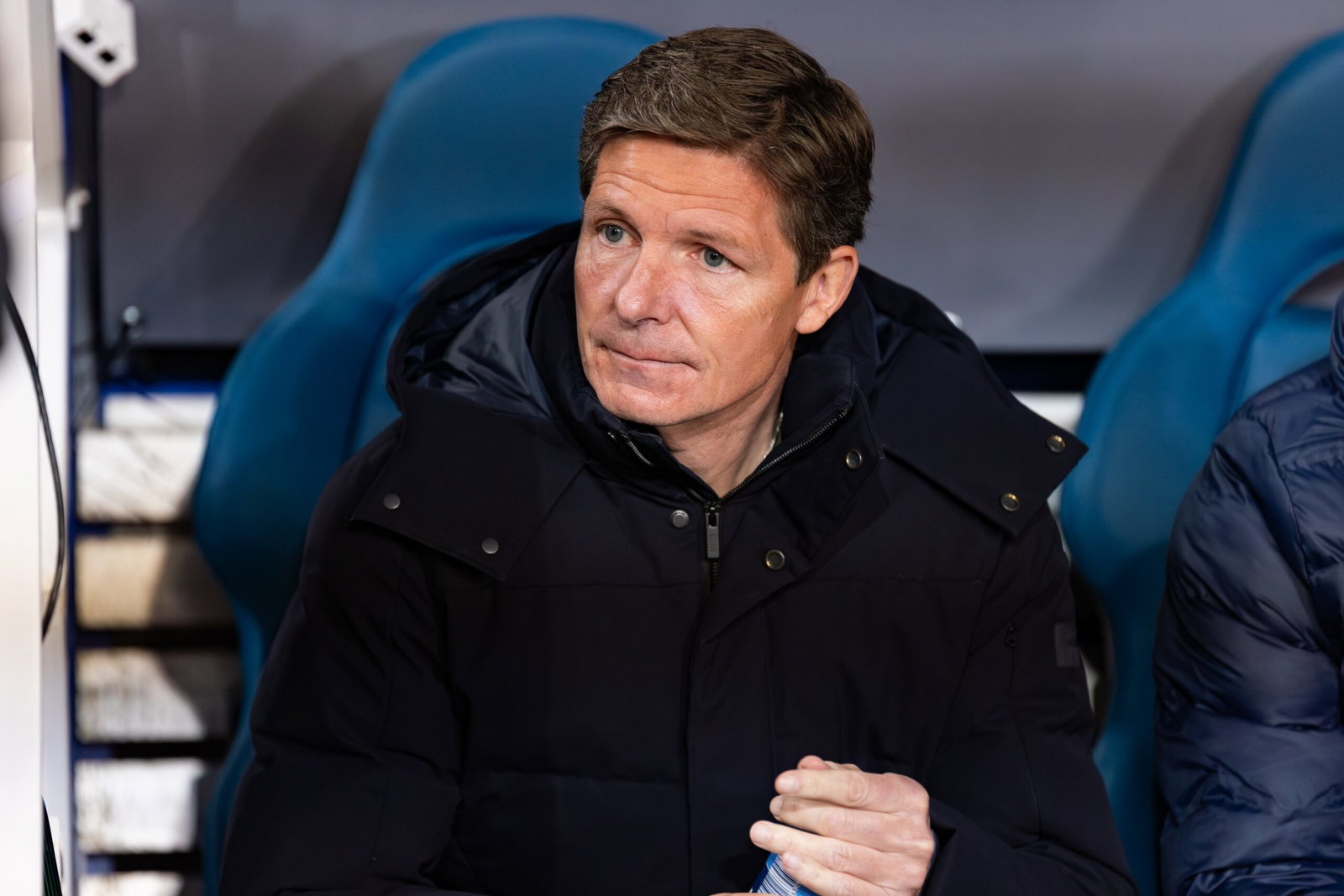
Oliver Glasner’s side eventually signed Daniel Munoz from Crystal Palace as their new right wing-back and abandoned their efforts for Read.
Much has been made about the efforts to sign Read. Some, for instance, believe that it was almost criminal for Feyenoord to reject the fees that they did.
The player, meanwhile, has insisted he’s not particularly concerned. He’s very focused on continuing his development at Feyenoord and seeing what happens in future.
Feyenoord confidence
Now Eenhoorn has discussed the matter to ESPN. And he insists that they have total confidence in their decision to reject the various bids this summer.
“In Read’s case, we felt he needed to play more matches—that he still had room to develop further,” he explained.
“You can see now that he’s playing regularly and making an impact; he’s putting himself back in the spotlight. Ultimately, we simply couldn’t reach an agreement with the other clubs.”
For him, keeping Read and other players was akin to seeing your art appreciate while sat on the wall.
“If you have a Rembrandt and a Van Gogh hanging on your wall and you don’t sell them, they’re still there on your wall,” he added.
“Their value on the pitch speaks for itself—I wouldn’t make too much of a drama out of that. At the same time, we have to consider various factors, including those looking toward the future.
“Especially regarding European revenue, we need to be very clear about what is and isn’t feasible and remain disciplined in that approach.”