


















Arsenal may yet see Gabriel Martinelli remain in European football, with the forward holding talks with two unnamed clubs on the continent.
Trivela take a detailed look at the increasingly awkward situation surrounding the Brazilian at the Emirates.
Al Hilal are already negotiating with Arsenal and Martinelli’s representatives, as we covered earlier. The Saudi option has become a serious one after the player changed his stance on moving there.
Yet it isn’t his only route out. Martinelli is also in talks with two European clubs. Their identities haven’t been revealed, but they potentially offer the 25-year-old an alternative to Saudi Arabia. And he might like that.
Arsenal apparently didn’t tell him directly
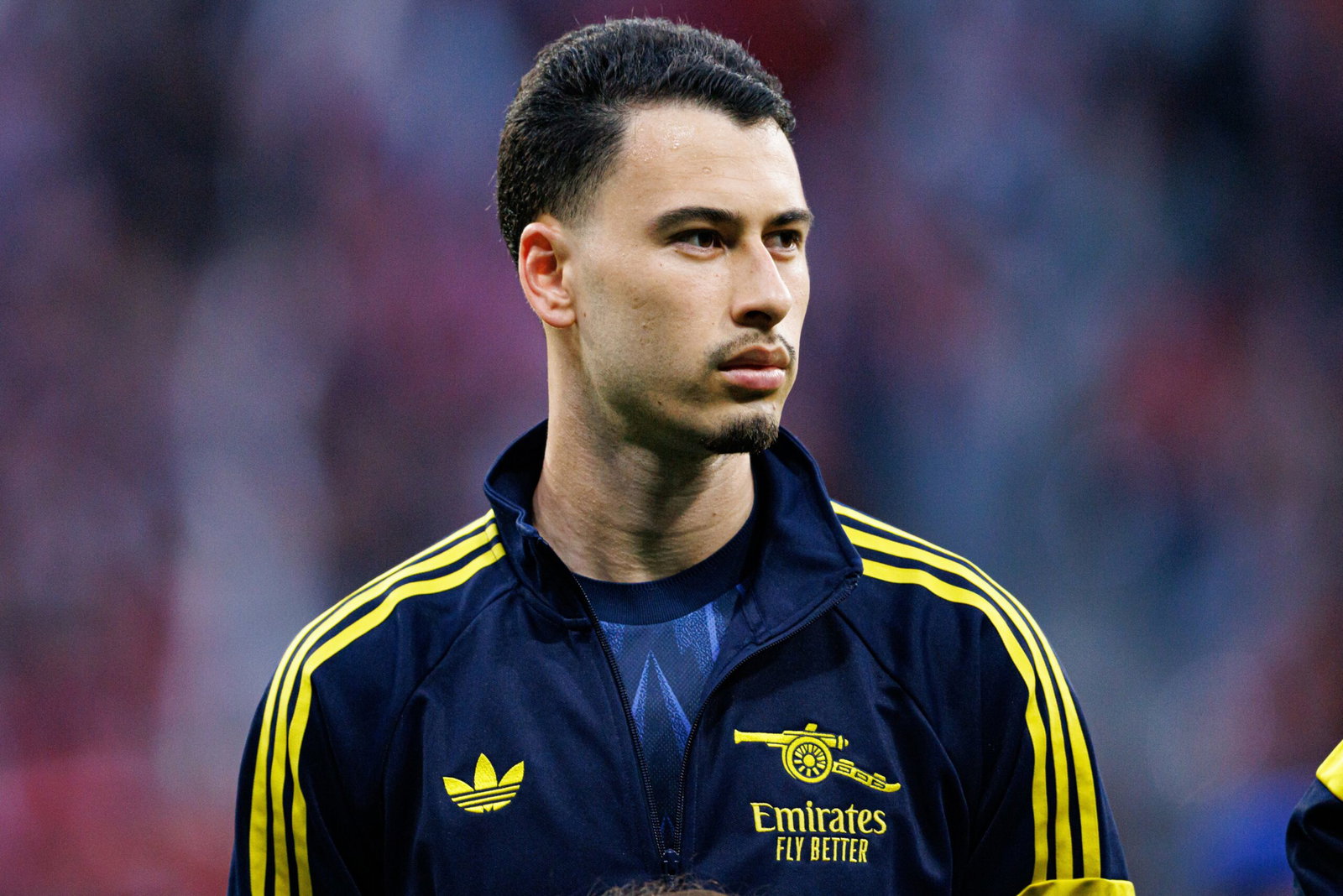
The report also adds more detail to Martinelli’s unhappiness at Arsenal, which we covered from by local ESPN on Monday. Trivela says the Brazilian wasn’t directly informed that the Gunners wanted to sell him.
Instead, he effectively discovered Arsenal were looking for a buyer through what was happening in the transfer market. That’s hardly ideal for someone who has been at the club since 2019.
Martinelli arrived as a teenager and has since made 278 appearances, scoring 62 goals and registering 36 assists. He also played an important part in the side Arteta built into Premier League title challengers and, eventually, champions.
Trivela believes Arsenal have perfectly reasonable sporting grounds to consider a sale. They question the way they’ve gone about it.
That’s particularly relevant after reports in Brazil that Martinelli has been very disappointed with his treatment recently.
Arsenal have a football decision to make too

There is a wider argument about whether selling Martinelli is necessarily the easy sporting decision it may appear. His Premier League numbers have dropped considerably from his 2022/23 peak.
That season brought 15 goals and five assists. He followed that with six goals and four assists in 2023/24, then eight goals and four assists the following year.
Last season was much tougher, with one goal and three assists from 26 league appearances. Only ten of those were starts. Trivela argues that Arsenal’s evolution under Arteta hasn’t particularly helped him.
Martinelli is at his best with space ahead of him. His pace, pressing and ability to attack the defensive line made him particularly dangerous during Arsenal’s earlier development.
Arteta’s team now regularly face opponents defending very deep. That asks different things of their wingers, including combination play and creating advantages in tight spaces. Bukayo Saka adapted particularly well. Martinelli has found it more difficult.
Arsenal clearly recognise the issue on the left. They tried to sign Vinicius Junior and have since added Christos Tzolis, while Leandro Trossard departed.
Trivela’s point is that selling Martinelli would still remove a player capable of providing speed and depth without necessarily giving Arsenal the elite left winger they were seeking.
Homegrown explanation doesn’t quite work
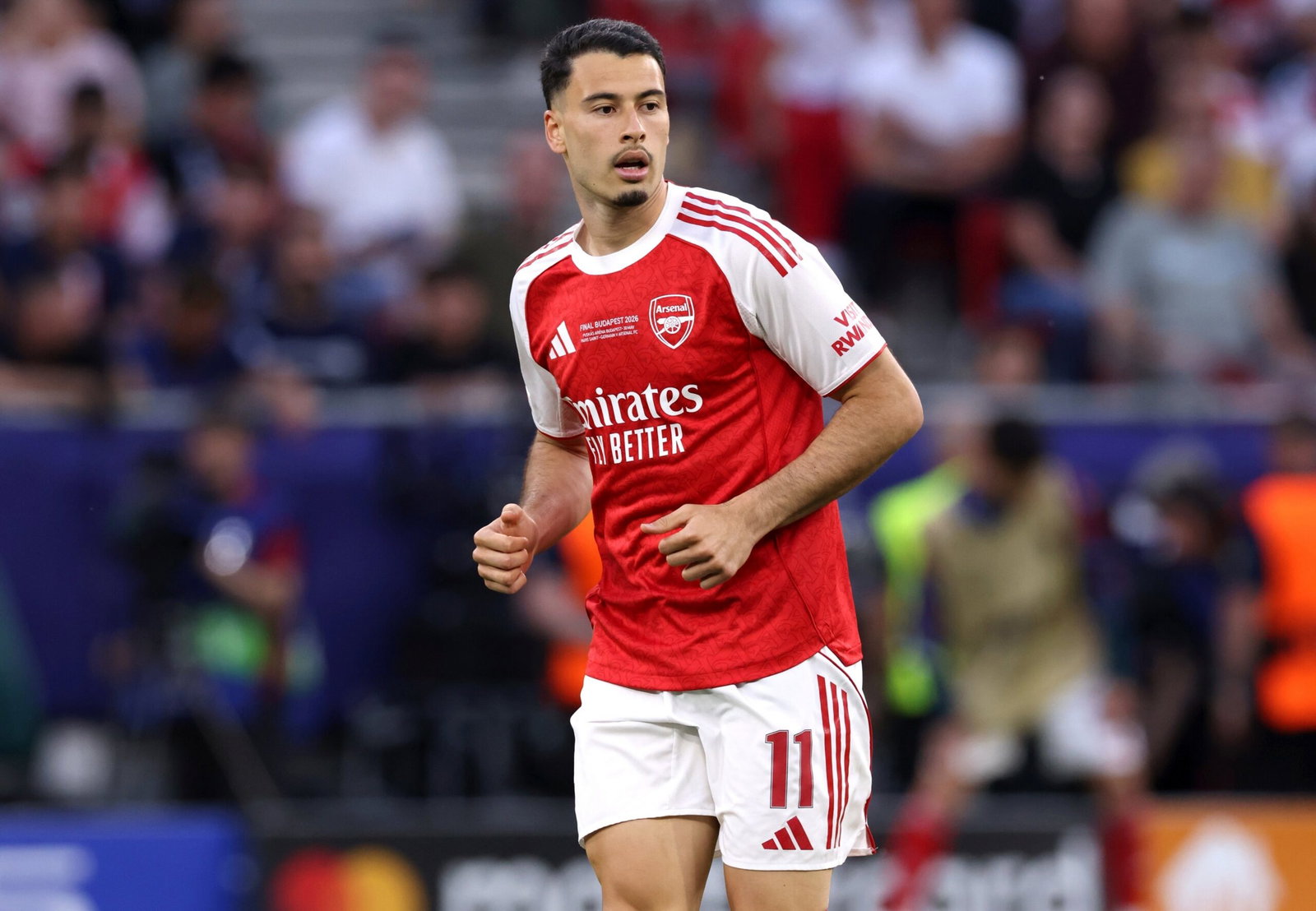
There’s another interesting issue raised by the Brazilian outlet. Arteta has recently discussed squad composition and Arsenal’s need to manage their homegrown numbers.
Martinelli, however, officially qualifies as homegrown under Premier League regulations. He joined Arsenal at 18 and spent the required period registered in England before turning 21. The Premier League’s own squad list therefore identifies him as a homegrown player.
That means any suggestion that homegrown restrictions prevent Arsenal from registering or selecting Martinelli doesn’t really stand up. Arteta can obviously prefer other players. Arsenal can also decide selling him is the right move.
The squad regulations themselves, though, aren’t keeping him out.
Europe still offers Martinelli another path
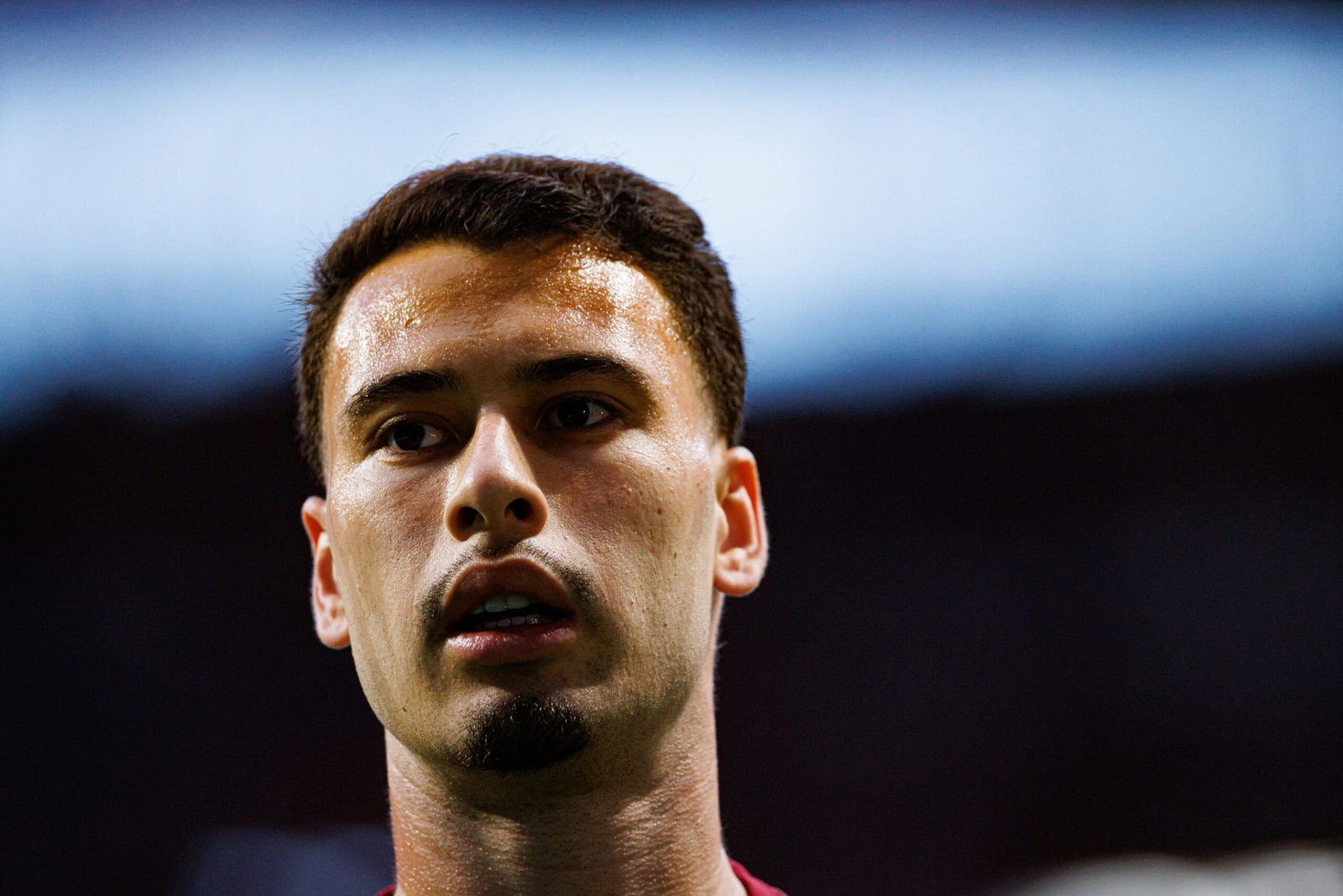
All of this leaves Martinelli with a fairly important decision. Al Hilal can offer considerably more financially than some of the alternatives Arsenal have explored, and the player is now receptive to their project.
At 25, though, he’s also entering what should be the peak years of his career.
Trivela points towards the added complication of Brazil beginning another cycle after the World Cup. Competition in attack includes Vinicius Junior, Raphinha, Rodrygo and Estevao, among others.
Moving to Saudi Arabia wouldn’t automatically end Martinelli’s international prospects. It would change the sporting environment in which he is trying to maintain them.
Those two unnamed European clubs could therefore become important. Arsenal have their own calculation to make. Selling Martinelli now may make financial and sporting sense after his decline in production.
Yet if Tzolis needs time and another elite winger doesn’t arrive, Arteta would be losing one of the few players in his squad who naturally provides the pace and direct running Martinelli offers.
The decision to sell him can be defended. As Trivela’s analysis makes clear, both the timing and the way Arsenal have handled it leave rather more room for debate.